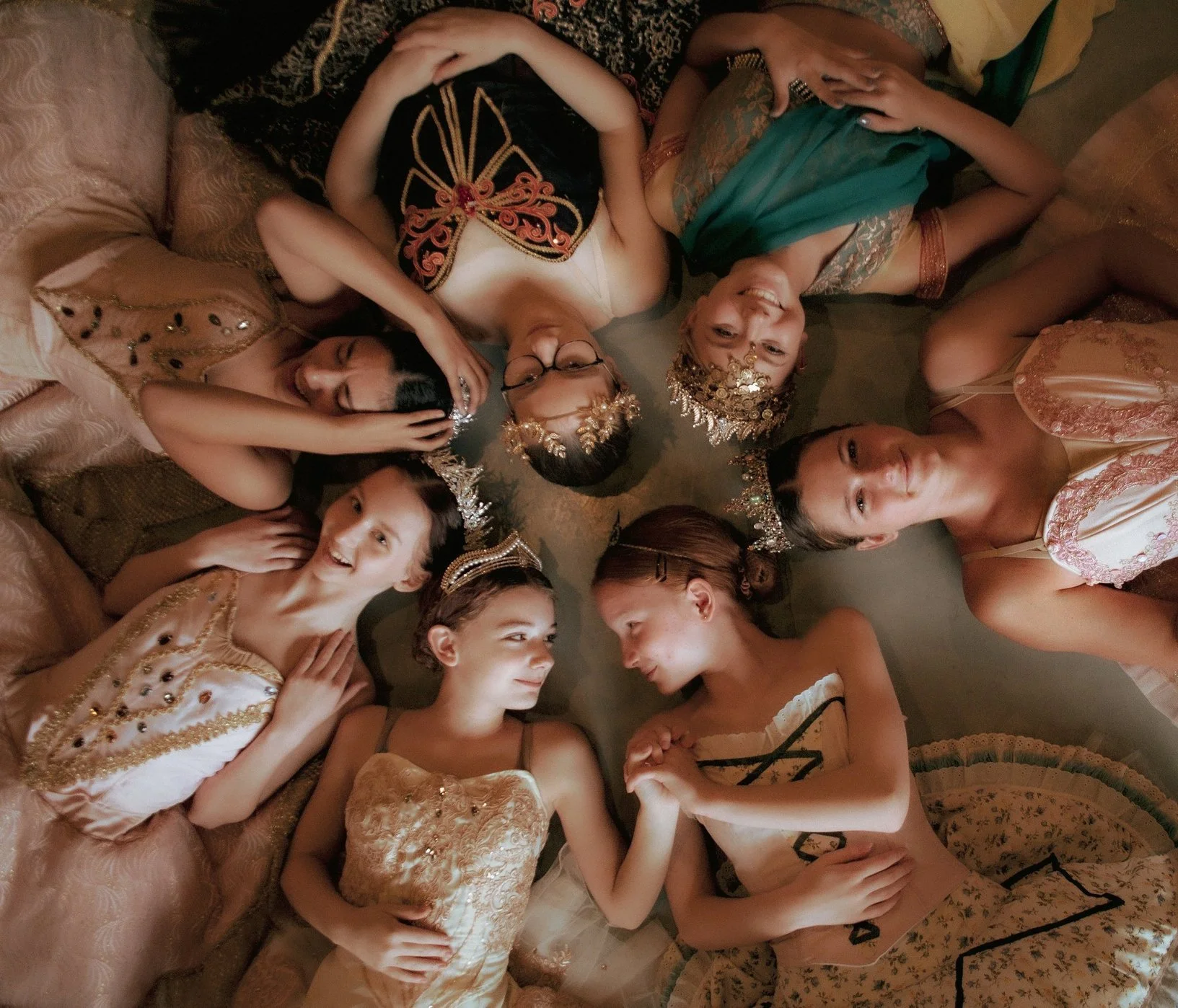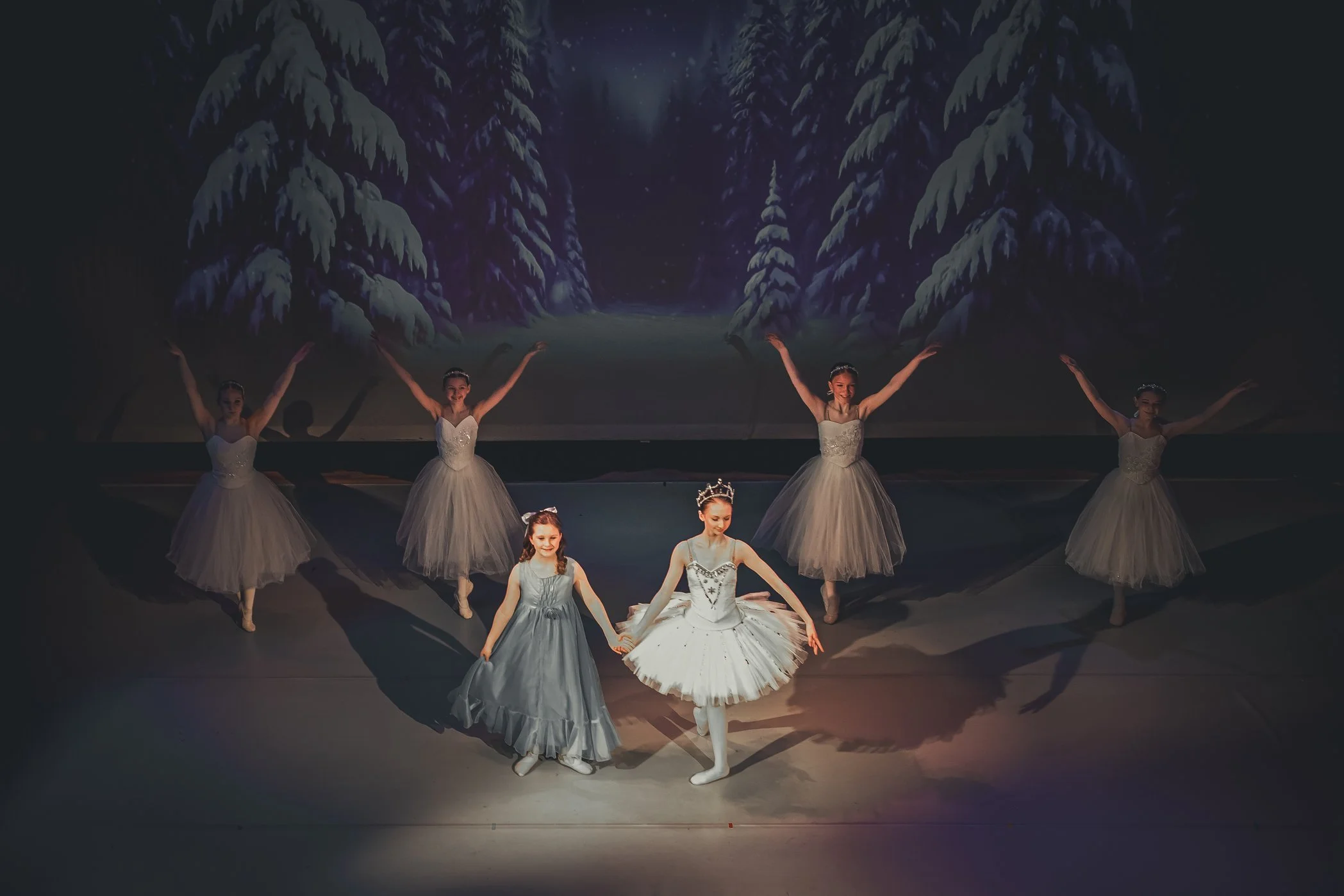
Our Philosophy
Strong technique. Thoughtful training.
Confident, curious dancers.
Training the Whole Dancer
At Tye Chua Dance, excellent training means more than learning steps. We believe dancers thrive when strong technical foundations are paired with artistry, curiosity, individual attention, and a genuinely supportive community.
Our goal is not simply to develop skilled dancers, but to help each student understand their body, trust their abilities, work thoughtfully with others, and discover their own voice as an artist.
Technique
Strong, progressive foundations built with care, thoughtful correction, and attention to detail.
Artistry
Musicality, expression, creativity, and an understanding of dance as an art form—not simply a series of steps.
Community
A studio culture grounded in encouragement, respect, responsibility, collaboration, and belonging.
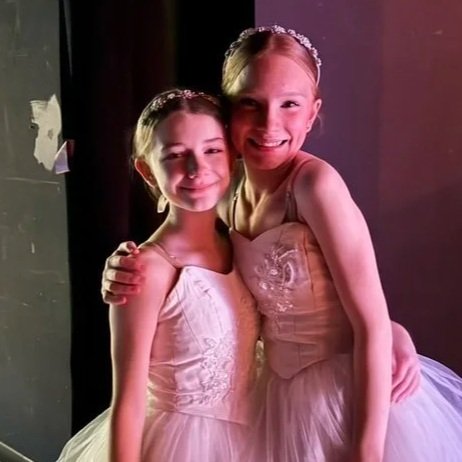
A Culture of Encouragement
Dancers learn best when they feel supported enough to take risks, make mistakes, ask questions, and try again.
We work intentionally to create a studio culture rooted in kindness, responsibility, encouragement, and mutual respect. Our dancers are expected to support one another and contribute positively to the community around them.
Competition, exclusion, cliques, gossip, and mean-spirited behavior have no place in our studios.
We are proud of a culture in which dancers genuinely care for one another — and where individual achievement and collective success can exist side by side.
Every Dancer Deserves to Be Seen
Dance training is deeply individual. Bodies develop differently, students learn differently, and progress rarely happens on exactly the same timeline.
That’s why we intentionally keep our classes small enough for instructors to know their dancers, observe their development, offer meaningful corrections, and adjust training when needed.
Thoughtful placement and individual feedback allow students to progress with greater understanding, confidence, and technical clarity — while helping ensure that training remains appropriate for each dancer’s stage of development.
Proper technique requires more than demonstrating combinations from the front of the room. It requires an instructor who can actually see the dancer in front of them.
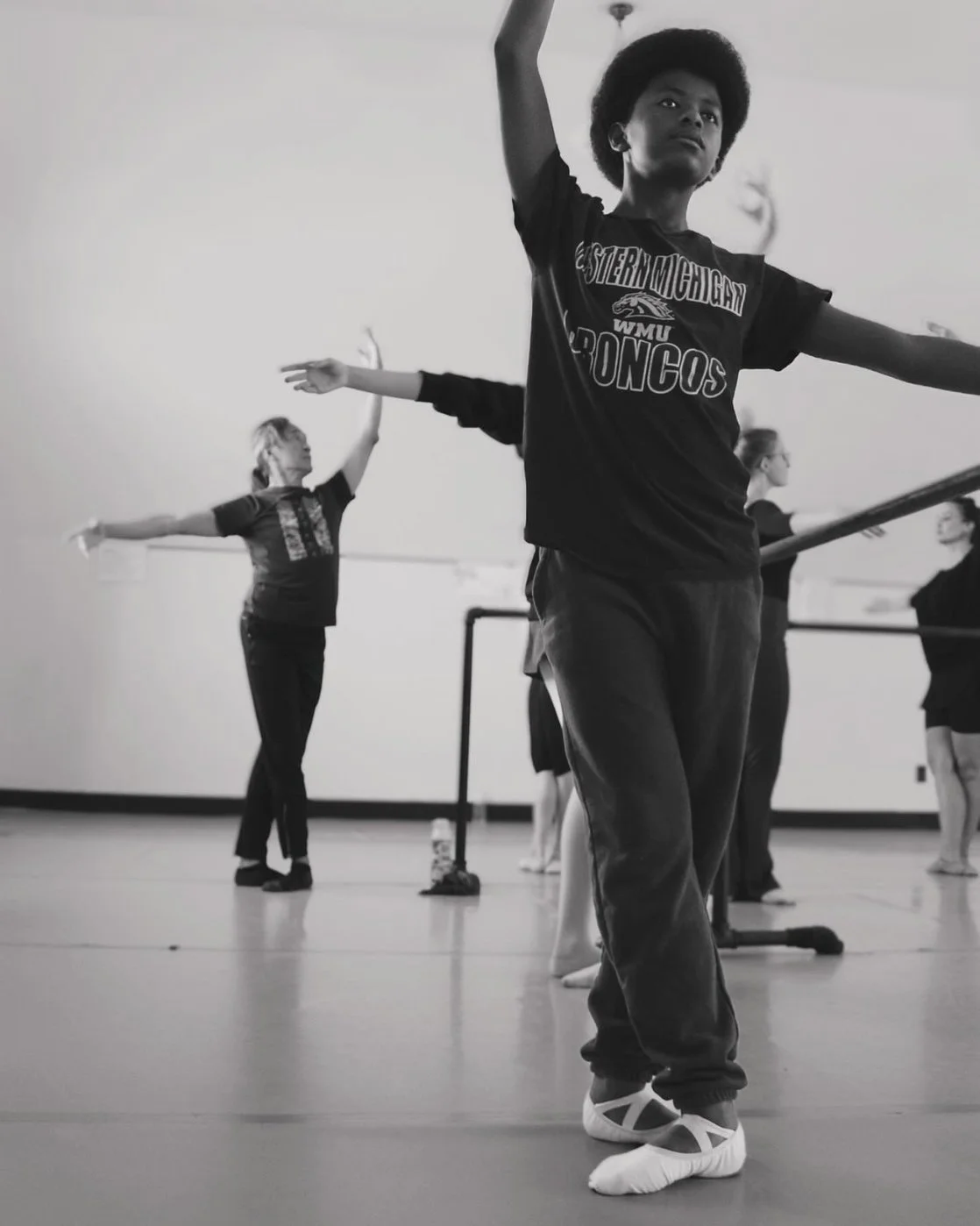
Training Informed by Experience
Our teaching is shaped by decades of professional performance, education, choreography, coaching, and artistic leadership.
Our faculty brings first-hand experience from professional companies, universities, conservatories, opera, theatre, and studios around the world — but credentials alone are not what define excellent teaching.
We believe great teachers know how to translate experience into information that helps the individual student standing in front of them.
Meet Our Faculty →
More Than Ballet Steps
Classical ballet is at the heart of our training, but we believe well-rounded dancers benefit from a broader understanding of movement, performance, and the many disciplines that shape a complete artist.
Throughout their training, dancers may encounter contemporary movement, choreography, musical theatre, performance studies, dance terminology, anatomy, conditioning, musicality, and other areas that deepen their understanding of how dancers move and communicate.
Our goal is to develop dancers who don’t simply know what to do — but increasingly understand how, why, and what they want to say with it.
Safe, Sustainable Training
Strong dancers are built over time. We believe thoughtful progression, age-appropriate expectations, individual correction, and a deeper understanding of the body are essential to both technical development and long-term well-being.
Physical Well-Being
Training that respects dancers’ bodies, development, recovery, and long-term health.
Developmentally Appropriate Training
Technique, movement vocabulary, workload, and expectations appropriate to each dancer’s age, experience, strength, and readiness.
Knowledge & Self-Awareness
Helping dancers understand how their bodies work so they can train intelligently and become thoughtful advocates for themselves.
Injury Prevention
Careful progression, appropriate placement, individual correction, and attention to fatigue, repetitive stress, and recovery.
Grow With Us
Whether a dancer is stepping into the studio for the first time or pursuing advanced training, we believe excellent teaching begins by meeting them where they are — and helping them discover where they can go.