
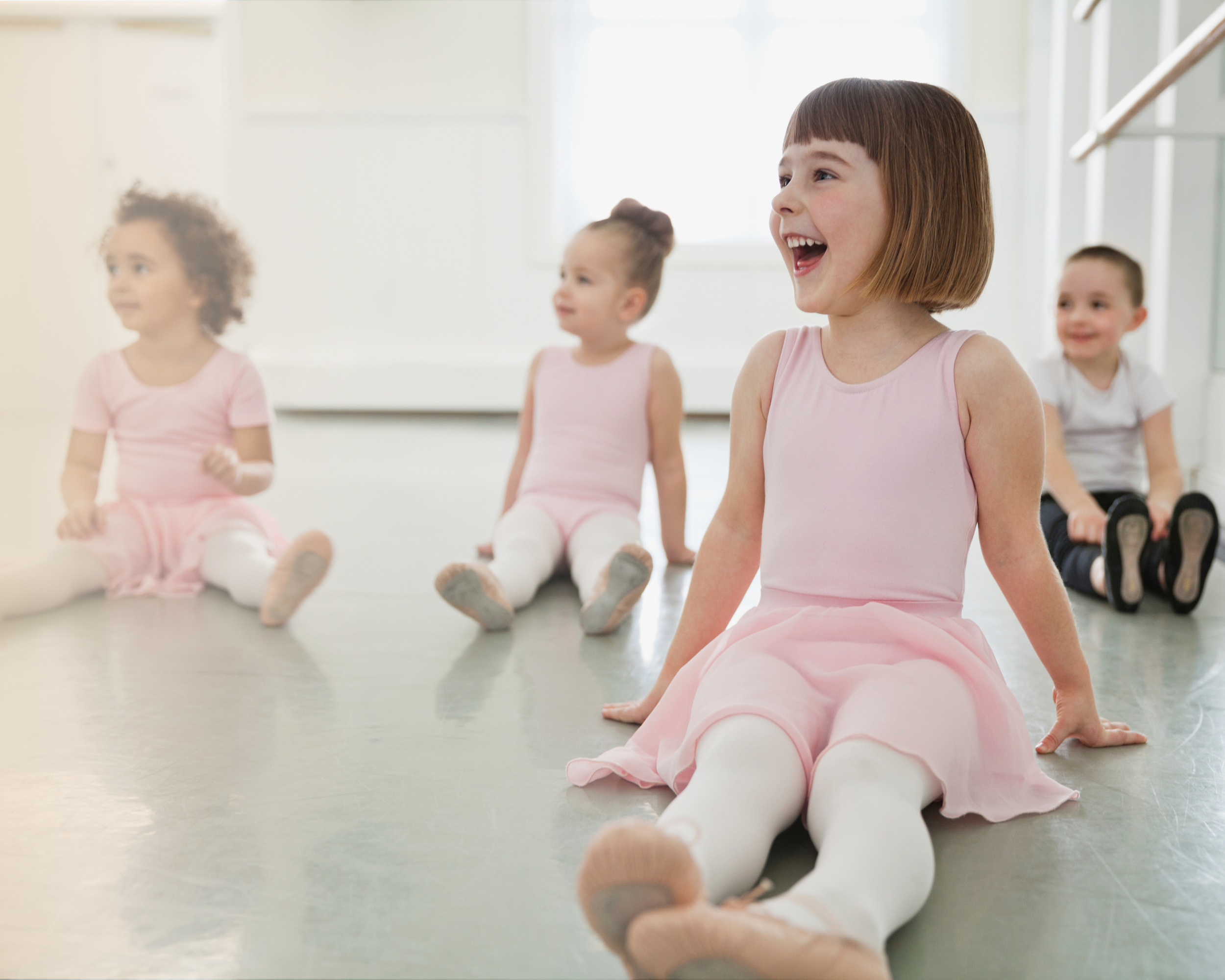
Children’s Ballet Classes in Kalamazoo
A joyful first step into dance.
Our youngest dancers learn through music, imagination, structure, and play while developing coordination, confidence, musicality, classroom readiness, ballet vocabulary, and the early foundations of classical ballet in a warm and encouraging studio.
A Thoughtful Beginning in Ballet.
Early dance training should feel joyful—but it should also be intentional.
In Creative Movement and early ballet classes, children are introduced to movement, music, ballet vocabulary, and the experience of learning alongside others. Each activity is designed with growing bodies, developing attention spans, and young imaginations in mind.
Learning to Move Safely
Children begin developing coordination, balance, posture, spatial awareness, and control through movement that is appropriate for their age and physical development.
Learning How to Be in a Class
Dancers practice listening, following directions, taking turns, working within a group, transitioning between activities, and participating with increasing confidence.
Keeping Imagination at the Center
Stories, imagery, rhythm, and play help children understand movement while developing musicality, early ballet vocabulary, and the habits that support future classical ballet training.
First Experiences Matter
A child’s earliest experience with dance can shape how they feel about movement, creativity, discipline, and learning for years to come. These first classes build the foundation for continued ballet training as each dancer grows and becomes ready for the next step.
Choose the Right Children’s Ballet Class.
Age is a helpful starting point, but children develop confidence, coordination, independence, and classroom readiness at different rates. Our beginning classes create a thoughtful progression from creative movement into foundational ballet and, as each dancer grows, into increasingly structured classical ballet training.
Creative Movement
A joyful introduction to dance through music, imaginative play, rhythm, storytelling, and creative exploration. Children begin developing coordination, body awareness, listening skills, musicality, and confidence participating independently in a group class.
Ballet I
Ballet I introduces the foundations of classical ballet through age-appropriate movement, ballet vocabulary, posture, musicality, coordination, and classroom etiquette. Classes remain imaginative and encouraging while gradually introducing greater structure and recognizable ballet exercises.
Ballet II
Ballet II builds on beginning skills through introductory barre work, center exercises, ballet vocabulary, and more structured combinations. Dancers strengthen posture, coordination, musicality, focus, classroom etiquette, and confidence as increasingly independent students.
Between Ages, Classes, or Levels?
Tell us your child’s age, previous dance experience, classroom experience, and anything else that may help us understand their readiness. We will help you choose a comfortable and appropriate starting point.
Skills for a Strong Start in Ballet.
To a young dancer, class may feel like music, stories, games, and joyful movement. Beneath that experience, children are developing physical, musical, artistic, social, and classroom skills that create a strong foundation for continued ballet training.
Coordination & Body Awareness
Children practice moving individual body parts, changing directions, balancing, traveling through space, controlling speed, and coordinating movements with increasing intention. These skills create the physical awareness needed for safe, purposeful ballet training.
Music & Rhythm
Dancers learn to hear a steady beat, respond to changes in tempo and quality, begin and finish with the music, recognize patterns, and connect sound with physical expression. Musicality is introduced from the very beginning as an essential part of dance.
Imagination & Expression
Stories, images, characters, and movement prompts invite children to make choices, explore qualities of movement, communicate ideas, and discover their own creative voice. Creativity and artistry remain important as ballet training becomes more structured.
Listening & Classroom Independence
Children practice entering class, separating from caregivers, following directions, waiting for a turn, remembering a sequence, transitioning between activities, and participating as part of a group. These habits help dancers become confident and increasingly independent students.
Beginning Ballet Technique & Vocabulary
As children become ready, classes introduce ballet posture, basic positions, age-appropriate classical ballet vocabulary, introductory barre and center work, simple combinations, musical phrasing, and the habits that support safe progression into increasingly structured ballet training.
Growth Does Not Look the Same for Every Child
Some children participate immediately, while others need time to observe, build trust, and become comfortable with the class routine. We value steady development, individual readiness, and meaningful progress rather than expecting every young dancer to develop in exactly the same way.
What Does a Children’s Ballet Class Feel Like?
Young children thrive when they know what to expect. Our Creative Movement, Ballet I, and Ballet II classes follow a recognizable rhythm while leaving room for imagination, exploration, repetition, and the needs of the dancers in the room that day.
Welcome & Transition
Class begins with a familiar greeting and a clear transition into the studio. Children settle into the space, connect with the teacher, and prepare their attention and bodies for movement.
Warm-Up & Body Awareness
Guided movement helps dancers identify body parts, explore posture, practice balance, and prepare muscles and joints through developmentally appropriate exercises.
Movement Skills & Ballet Foundations
Children practice age-appropriate ballet vocabulary, steps, positions, rhythms, pathways, and movement patterns. Familiar exercises return over time so dancers can build understanding, coordination, and confidence through repetition.
Stories, Music & Imagination
Imagery and creative prompts invite children to apply what they are learning in expressive ways—changing movement quality, responding to music, making choices, and exploring ideas. Technique and creativity grow alongside one another.
Closing & Goodbye
A consistent ending helps children recognize that class is complete, reflect on the shared experience, practice studio manners, and transition confidently back to their families.
A Familiar Rhythm
Repeated class routines help young dancers feel secure, understand expectations, and participate with greater independence over time.
Learning Through Imagination
Play is not separate from learning. For young children, it is one of the most effective ways to understand movement, music, space, and expression.
Every Activity Has a Reason
Even the most whimsical exercise is chosen to develop a physical, musical, creative, social, classroom, or early ballet skill.
It Is Okay for Comfort to Take Time
A new studio, teacher, and class routine can feel like a big step. Some children join immediately, while others begin by watching and gradually participating. We support children as they build trust, independence, and confidence at a pace that allows the class experience to remain positive.
Why Families Choose Tye Chua Dance for Children’s Ballet
A child’s first ballet class is more than an activity. Families are choosing the teachers, environment, values, and early experiences that will shape how their child feels about dance, learning, and themselves as a dancer.
More Than 60 Years of Ballet in Kalamazoo
Tye Chua Dance carries forward a ballet teaching tradition in Kalamazoo that began in 1965. Generations of children have taken their first dance steps within that tradition, giving us a long view of how thoughtful early training can support years of meaningful growth.
Small Classes. Teachers Who Know Your Child.
Small classes allow our teachers to notice the individual dancer—their personality, confidence, coordination, physical development, learning style, and readiness. Children receive personal attention within a clear, supportive class structure and are encouraged to progress at a pace that makes sense for them.
A Pathway Beyond the First Class
Children can begin with Creative Movement, Ballet I, or Ballet II and continue into increasingly structured classical ballet training as they grow. For dancers who choose to continue, Tye Chua Dance offers a pathway through leveled ballet, advanced training, pointe, and meaningful performance opportunities.
Each instructor has taken the time to make my daughter and son feel so welcome and special. My children truly look forward to their classes.
Meet the Teachers Behind the Classes
Learn more about the experienced artists and educators who teach at Tye Chua Dance, or explore the philosophy that guides our approach to dancers at every age and level.
Prepare for Your Child’s First Ballet Class.
A little preparation can help the first studio experience feel calm and comfortable. Use the resources below to choose the appropriate class, complete registration, review ballet attire, plan your arrival, and ask any remaining questions.
Complete Registration
Create or access your family account, select your child’s class, and complete enrollment before arriving. If you are uncertain about age, experience, level, or readiness, contact us before registering and we will help you choose.
Review the Ballet Attire Guide
Check the class-specific guidance for clothing, ballet shoes, tights, and hair before purchasing anything. Appropriate attire allows children to move comfortably and safely while helping teachers observe posture and alignment.
Plan a Calm Arrival
Review our downtown Kalamazoo studio location and parking information before the first class. Arriving a few minutes early gives your child time to find the studio, meet the teacher, and transition into class without feeling rushed.
Ask for What Your Child Needs
Contact us about tuition assistance, our Dancewear Exchange, placement, sensory or access needs, accommodations, separation concerns, or anything else that may help your child enter class successfully.
First-Class Questions Are Always Welcome
Tell us your child’s name, age, class, and what you are wondering about. Questions about separation, attire, arrival, placement, or classroom readiness are always welcome.
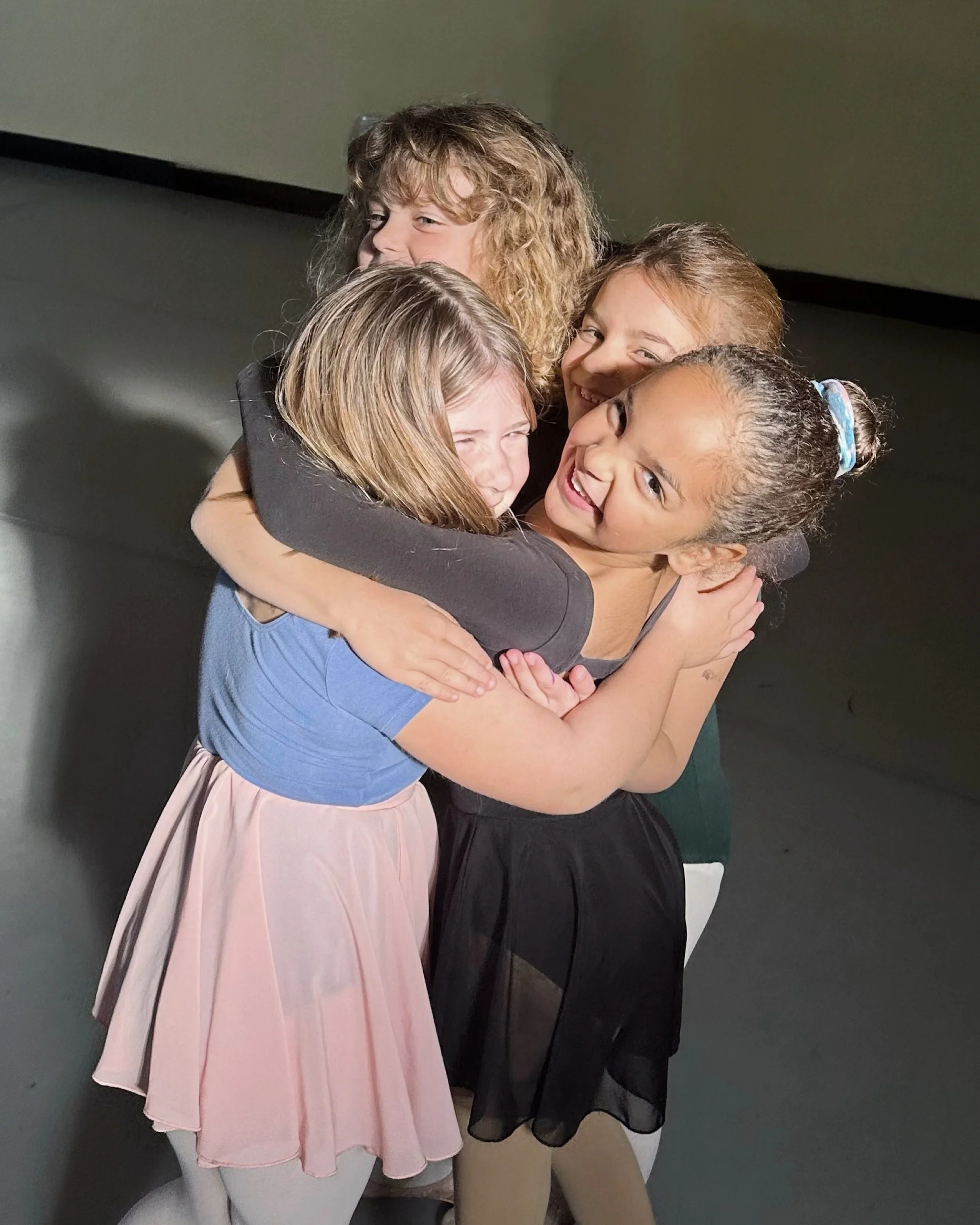
We Can’t Wait to Welcome Your Dancer.
A first dance class can be the beginning of something lasting: greater confidence, a love of music and movement, new friendships, and a studio community where your child can continue to learn and grow. Whether they begin with Creative Movement, Ballet I, or Ballet II, we will help you find a comfortable and appropriate place to start.