
Come Ready to Move
Thoughtful class attire helps dancers move safely, work confidently, and receive clear instruction. Our dress code is gender-affirming, and every dancer may choose the listed attire option that feels most appropriate to them.
Choose Your Attire Guide
Select the dancer’s class level or program, or jump directly to our hair guidance and tutorial library.
Creative Movement through Ballet IV
Dancers may wear either option below. Both provide instructors with a clear view of alignment while allowing students to move safely, comfortably, and confidently.
Leotard & Tights
A traditional ballet option with a solid-color leotard and coordinating ballet tights and shoes.
- Solid-color leotard
- Ballet pink or flesh-toned tights
- Ballet pink or flesh-toned soft ballet slippers
- Hair secured in a bun, away from the face and off the neck
- No jewelry during class
Shirt & Dance Tights
A fitted shirt or leotard paired with black dancewear and soft ballet slippers.
- White T-shirt or leotard
- Black shorts, leggings, footed tights, or footless dance tights
- White socks with black footless tights, or black footed tights
- White, black, or flesh-toned soft ballet slippers
- Hair secured away from the face and neck
- No jewelry during class
Choose the Option That Feels Right
Attire options are not assigned by gender. Every dancer may select the approved option that best supports their identity, comfort, sensory needs, and ability to participate fully.
Ballet V through Advanced
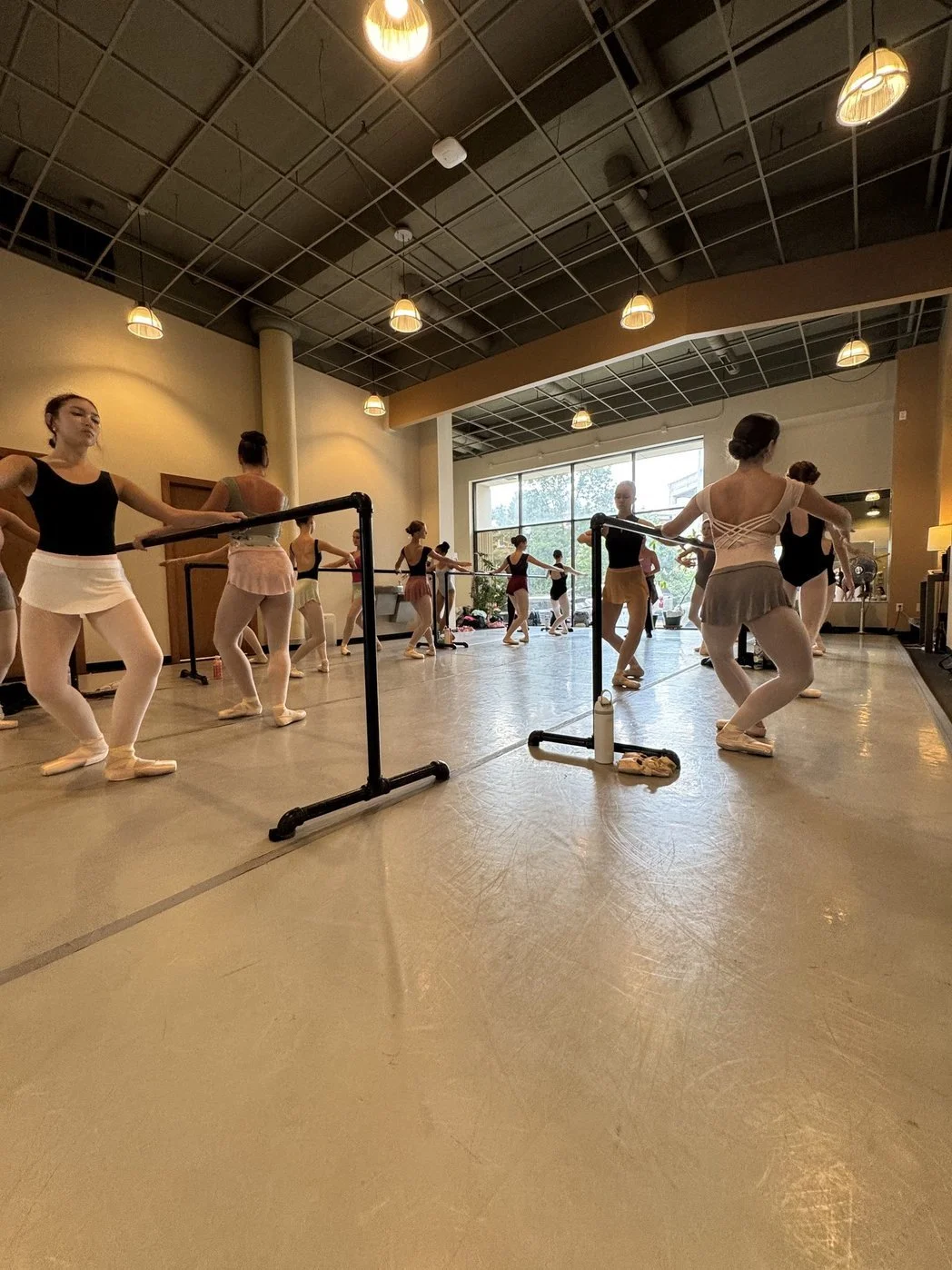
Upper-level dancers have greater freedom in color and design while maintaining attire that supports clear alignment, technical precision, and unrestricted movement.
Leotard, Tights & Skirt
A traditional upper-level ballet option with greater freedom in leotard color and design.
- Leotard of any color or design
- Ballet skirts may be worn
- Ballet pink or flesh-toned tights
- Ballet pink or flesh-toned soft ballet slippers
- Pointe shoes for dancers approved and assigned to pointe work
- Hair secured away from the face and neck
Pointe shoes should only be purchased after faculty approval and according to the fitting guidance provided to the dancer. Learn more in our Pointe Readiness FAQ.
Shirt, Leotard or Unitard
A fitted dancewear option allowing individual choice in color while keeping the dancer’s alignment visible.
- T-shirt, leotard, or unitard of any color
- Dance tights of any color
- Black, white, or flesh-toned ballet slippers
- Socks are optional
- Hair secured away from the face and neck
More Choice, the Same Purpose
Advanced dancers may express more personal style while wearing attire that allows instructors to evaluate alignment and movement clearly. Attire options are not assigned by gender.
Wear What Helps You Move
Adult dancers are welcome to wear whatever allows them to move comfortably and participate confidently. There is no required uniform, and no one needs to purchase traditional ballet attire before taking a first class.
You Already Own Something You Can Wear
Leggings, shorts, yoga pants, sweatpants, fitted tops, loose shirts, leotards, tights, skirts, warmups, and layered dancewear are all welcome.
Choose clothing that feels comfortable, allows you to move, and does not create a tripping hazard. Your first class does not need to begin with a shopping trip.
What to Know Before Class
There is no single correct adult ballet outfit. These simple guidelines can help you feel comfortable and prepared.
Clothing
Wear anything comfortable that allows you to bend, reach, stretch, and move freely. Fitted clothing can make alignment easier to see, but it is not required.
Shoes & Socks
Beginners often start in socks before deciding whether they would like to purchase soft ballet slippers. Ballet shoes are welcome at every level but are not necessary for a first class.
Layers & Warmups
Sweaters, leg warmers, warmup pants, skirts, and other layers are welcome. Choose items that remain secure and do not interfere with movement.
Hair
Secure hair away from the face so you can see clearly and move without distraction. A formal ballet bun is not required for adult class.
Comfort Comes First
Select attire that supports your comfort, identity, mobility, sensory needs, and ability to enjoy class.
Coming to Your First Adult Ballet Class?
A comfortable shirt, leggings or shorts, and socks are completely appropriate. Bring water, arrive a few minutes early, and let the instructor know that it is your first class.
Modern, Contemporary & Musical Theatre
These classes follow the same flexible approach as our adult ballet program. Wear clothing that helps you move freely, participate confidently, and adapt comfortably to the movement being explored.
Comfortable for Movement and Floor Work
Choose clothing that allows a broad range of movement and remains comfortable while bending, stretching, turning, and working at floor level.
- Leggings, shorts, dance pants, or sweatpants
- T-shirts, fitted tops, leotards, tanks, or layered dancewear
- Clothing should remain reasonably secure during large movement and floor work
- Bare feet, socks, or appropriate dance footwear may be used depending on the class and movement material
- Hair secured away from the face
Comfortable activewear and clean socks are a perfectly good place to begin. The instructor can help you decide whether another footwear option would be useful for future classes.
Ready to Move, Perform and Explore
Musical Theatre attire is fully flexible. Wear something that supports energetic choreography, character work, and expressive movement without making you feel restricted.
- Comfortable clothing that allows unrestricted movement
- Leggings, shorts, dance pants, sweatpants, or other activewear
- T-shirts, tanks, fitted tops, leotards, or layered clothing
- Clean, secure movement-friendly footwear appropriate for class
- Hair secured away from the face
Special shoes are not necessary for a first class. When a particular style of footwear is needed for choreography or performance, dancers will receive guidance before purchasing.
Movement Comes Before the Outfit
There is no required uniform for these classes. Choose attire that supports your comfort, mobility, identity, and ability to participate fully. Hair should be secured away from the face.
Need Dancewear?
Our in-studio Dancewear Exchange offers new and gently used leotards, tights, ballet shoes, and other dancewear at no cost.
Children, teens, adults, current students, and new dancers are all welcome to look through the exchange and take anything that fits their needs.
Take What You Need. Share What You Can.
Dancewear can be expensive, and dancers often outgrow items before they are worn out. The exchange helps useful clothing and shoes find their next dancer.
Leotards, ballet tights, skirts, ballet slippers, pointe shoes, shorts, leggings, unitards, warmups, dance tops, and other class-appropriate items. Availability and sizing vary as items are contributed and taken.
Dancewear Should Not Be a Barrier to Class
Please check the exchange before purchasing, especially when a dancer is growing quickly, trying a first class, or needs an item unexpectedly.
Why Class Attire Matters
Dancewear is not about achieving one particular look. Thoughtful attire helps dancers move safely, allows teachers to provide precise instruction, and supports focused, confident participation.
Clear Alignment
In leveled ballet classes, attire that allows instructors to observe the body clearly helps them identify alignment, placement, rotation, and movement patterns before small issues become habits.
Safe Movement
Secure clothing, appropriate footwear, and hair kept away from the face reduce distraction and help prevent slipping, tripping, overheating, or becoming caught in clothing during movement.
Useful Instruction
When teachers can clearly see how a dancer is organizing the body, corrections can be more specific, supportive, and appropriate to the individual student.
Confident Participation
The right attire should help a dancer feel prepared and able to participate fully. Comfort, identity, mobility, sensory needs, and personal dignity all matter.
Standards Should Support Dancers—not Create Barriers
Our children’s and leveled ballet classes have more specific attire guidance because technical alignment must be visible. Adult Ballet, Modern, Contemporary, and Musical Theatre remain intentionally flexible. Accommodations and appropriate alternatives are always welcome.
Secure, Comfortable & Ready to Move
Hair should remain away from the face so dancers can see clearly, turn safely, and move without distraction. The appropriate style depends upon the class, the dancer, and the length and texture of their hair.
Why Hair Is Secured for Class
Loose hair can obscure a dancer’s vision, interfere with spotting during turns, and make it difficult for instructors to see the alignment of the head, neck, and shoulders.
A secure style also helps dancers focus on movement rather than repeatedly adjusting their hair throughout class.
What Does My Class Require?
Hair does not need to look identical from dancer to dancer. It simply needs to remain secure and appropriate for the movement being performed.
Creative Movement through Ballet IV
Long hair should be secured in a ballet bun or another secure style that keeps it away from the face and off the neck. Shorter hair should be clipped or secured away from the eyes and face.
Ballet V through Advanced
Hair should be secured firmly away from the face and neck. A bun or another stable, class-appropriate style should remain intact through turns, jumps, and extended movement.
Adult Ballet
Secure hair away from the face in whatever style is comfortable and effective. A formal ballet bun is not required for adult class.
Modern, Contemporary & Musical Theatre
Hair should remain away from the face and be secure enough for turns, larger movement, floor work, and theatrical choreography.
Every Dancer’s Hair Is Different
Protective styles, braids, twists, locs, curls, short cuts, fine hair, thick hair, sensory needs, cultural practices, and religious considerations may require different solutions. We are happy to help identify a secure and respectful option.
Hair Tutorial Library
The tutorials below offer several approaches for securing hair. Choose the method that best fits the dancer’s hair type, texture, length, comfort, and class requirements.
Ballet Bun for Braided Hair
A secure ballet-bun method designed for braided hair.
Ballet Bun for Straight Hair
A traditional ballet-bun approach for straight or similarly textured hair.
Ballet Bun for Natural Hair
Guidance for creating a secure ballet bun with natural hair.
Ballet Hair for Short Hair
A secure class-ready option for hair that is too short for a traditional ballet bun.
A Secure Style Does Not Need to Look Identical
These videos are starting points, not the only acceptable solutions. The goal is simply to keep hair secure, away from the face, and appropriate for the movement and class.
Come Prepared. Leave Inspired.
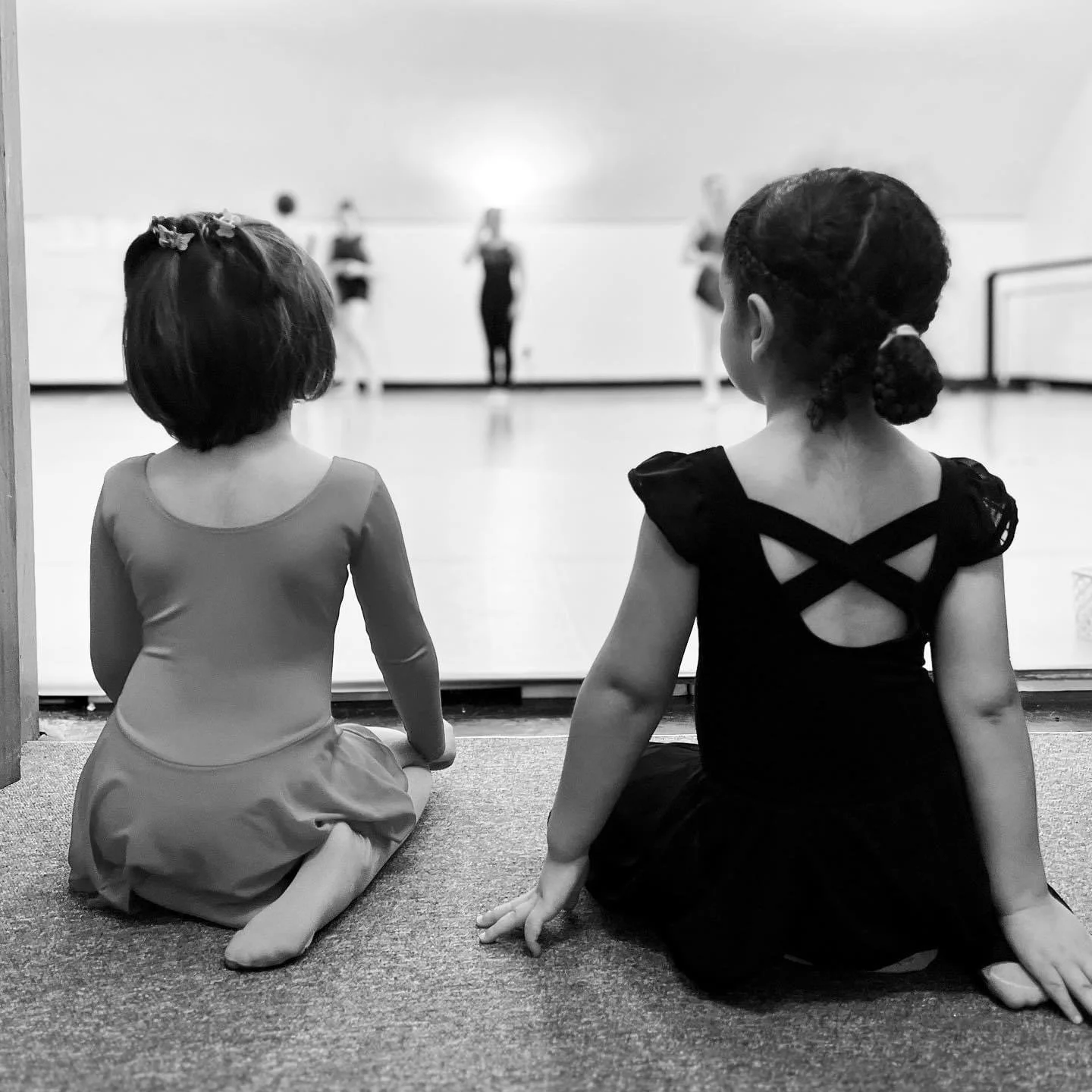
The right attire is simply the attire that helps you move safely, participate confidently, and focus on the work. Whether you arrive in your first pair of socks or years of well-loved dancewear, there is a place for you in the studio.